
Relocating to a new home can be both exciting and challenging, especially when it comes to understanding the costs involved. Whether you are moving locally or long-distance, having a clear picture of potential expenses can help you plan and budget more effectively. This guide provides an overview of common moving costs to help you prepare for a smooth relocation.

Factors Influencing Moving Costs
Several factors affect the overall cost of a move. Key considerations include the distance of the move, the volume or weight of your belongings, and the time of year. Moving during peak seasons, such as summer, often costs more due to increased demand.
Another major factor is the type of moving service you choose. Full-service movers handle packing, loading, transportation, and unloading, offering convenience at a higher cost. A do-it-yourself move may be more affordable but requires additional time and effort.
Local vs. Long-Distance Moves
Local moves are typically priced by the hour, with rates depending on the number of movers and trucks required. Long-distance moves are usually calculated based on the weight of your belongings and the distance traveled. Understanding this distinction helps set realistic expectations for pricing.

Additional Costs to Consider
Beyond the basic charges, there are several additional costs you may need to consider. These can include:
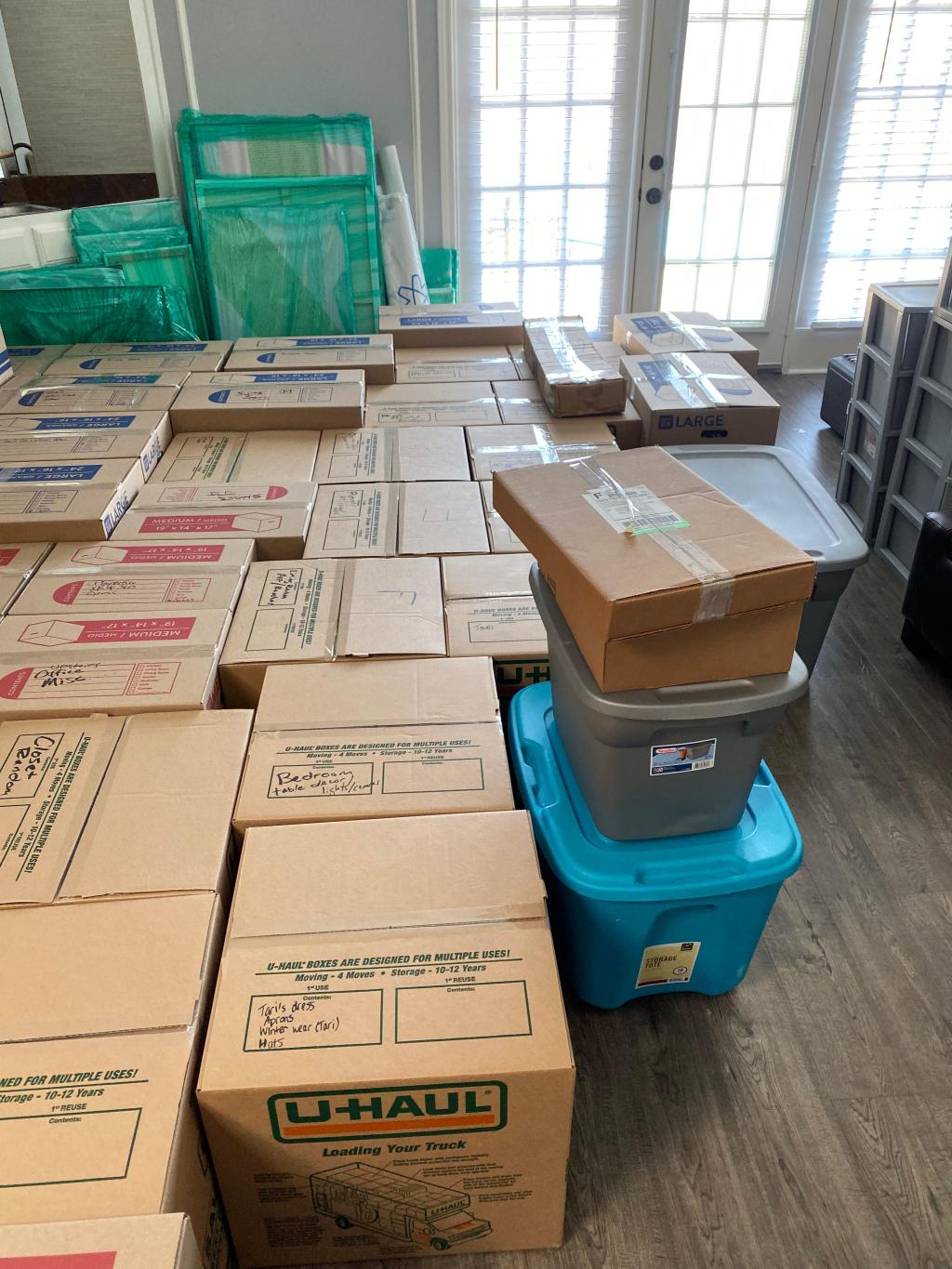
- Packing Supplies: Boxes, tape, and packing materials can add up quickly.
- Insurance: Consider purchasing additional insurance to protect your belongings during transit.
- Storage: If there’s a gap between moving out and moving in, you might need temporary storage solutions.
Hiring Professional Movers
When choosing a moving company, it’s important to request multiple quotes to compare pricing and services. Make sure the movers are properly licensed and insured. Reading customer reviews and seeking recommendations can also help you select a reliable provider.
Cost-Saving Tips
To save on moving costs, consider decluttering your home before the move. Sell or donate items you no longer need to reduce the volume of belongings. Additionally, booking your move during off-peak times can result in lower rates.
Another cost-saving strategy is to pack your belongings yourself. While it requires more effort, it can significantly reduce the overall cost of your move. Be sure to label boxes clearly to make unpacking easier.
Conclusion
Understanding the factors that influence moving costs allows you to plan ahead and avoid unexpected expenses. By researching your options, comparing services, and preparing in advance, you can ensure a more efficient and cost-effective move to your new home.

 HK Relocation & Moving & Storage
Leave a comment